As remote work becomes the new norm, many business owners are overlooking a hidden threat to their compliance: sales tax nexus triggered by remote employees. It might sound obscure, but it’s a growing risk—one that can lead to surprise audits, fines, and back taxes you never expected.
So, can just one remote employee working from home in another state trigger nexus for your business? Yes, absolutely. And that can mean your business is suddenly responsible for collecting and remitting sales tax in that state—even if you don’t sell much there.
Let’s break down how this works, what risks you face, and what you should do right now to avoid a compliance nightmare.
What Is Sales Tax Nexus—and Why It’s Changed
Sales tax nexus is a legal term that describes a business’s obligation to collect and remit sales tax in a particular state. Historically, a company needed a physical presence—like an office, storefront, or warehouse—in a state to trigger nexus.
But those days are over.
With the explosion of remote work, many states have updated their laws to treat a remote employee as a “physical presence” for tax purposes. That means if one of your employees works from their home in a different state, your business could have nexus there—even if you don’t sell a single product in that state.
This evolution in nexus laws has created a dangerous gray area that many small businesses simply don’t know how to navigate.
How Remote Employees Create Nexus
One Employee Is All It Takes
You don’t need dozens of employees scattered across the country to trigger nexus. In many states, just one employee working from home is enough to establish a physical presence. It doesn’t matter if they’re in sales, marketing, customer service, or tech support.
Even a part-time or contract worker can be considered enough of a presence to trigger your responsibility to register, collect, and file sales tax in that state. It’s a surprisingly low threshold—and one most businesses cross without realizing.
Physical Presence Is Still a Trigger
Despite the rise of economic nexus laws (based on revenue and transaction count), physical presence is still very much alive. Remote employees give your business that physical presence—even if the only thing they have is a laptop and a home office.
States are aggressive in asserting this. After all, remote work is widespread, and taxing authorities see it as a new revenue stream. If you’re not collecting tax in the states where your employees live, you’re exposing your business to significant penalties.
Roles and Responsibilities Don’t Matter
You might think, “My remote worker is just an admin assistant—how can they trigger nexus?” Unfortunately, their role doesn’t matter. States aren’t interested in what they do—they care that they’re there. Nexus is triggered by presence, not purpose.
Different States, Different Rules
Strict Enforcement States
Some states have a reputation for aggressively pursuing out-of-state businesses. If you have remote employees in California, New York, Texas, Massachusetts, or Illinois, your business is very likely on the hook for sales tax—even if your sales in those states are minimal.
These states have clearly stated that even one remote employee is enough to establish nexus. They don’t make exceptions for startups or small businesses either.
States with Economic Nexus and Remote Triggers
States like Florida, Washington, and Pennsylvania have both economic nexus thresholds (e.g., $100,000 in sales) and remote employee triggers. That means even if you haven’t met the economic threshold, having a single employee can create physical nexus—and the need to comply.
Don’t assume that economic thresholds protect you from remote employee obligations. Often, they don’t.
States with Exceptions (Rare but Real)
A handful of states have narrow exceptions—some may not count remote employees if their presence is very temporary or limited. But these exceptions are rare, poorly defined, and constantly changing. Even in those cases, the burden is on you to prove you don’t owe tax—not the other way around.
You should never assume your business is in the clear. Always verify directly with a state’s tax authority or a professional.
The Compliance Headaches of Remote Work
You Might Need to Register in 10+ States
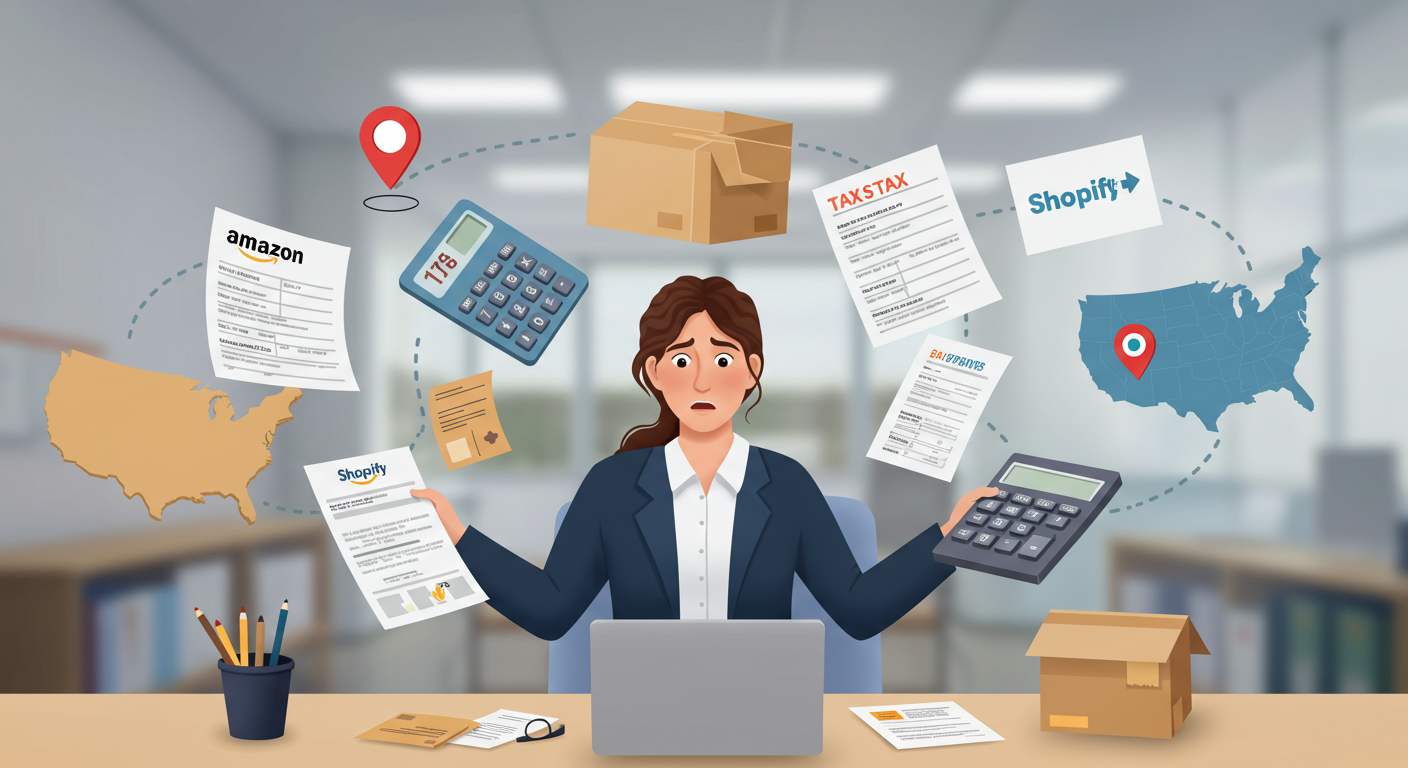
If your team is spread out across multiple states, you may need to register in every one of those states—even if your customers aren’t. That means filing paperwork, maintaining records, and updating your compliance practices.
For a small business, this can be a logistical nightmare—especially if you’re not prepared or don’t have a tax team.
Tracking Sales Tax Rates and Deadlines
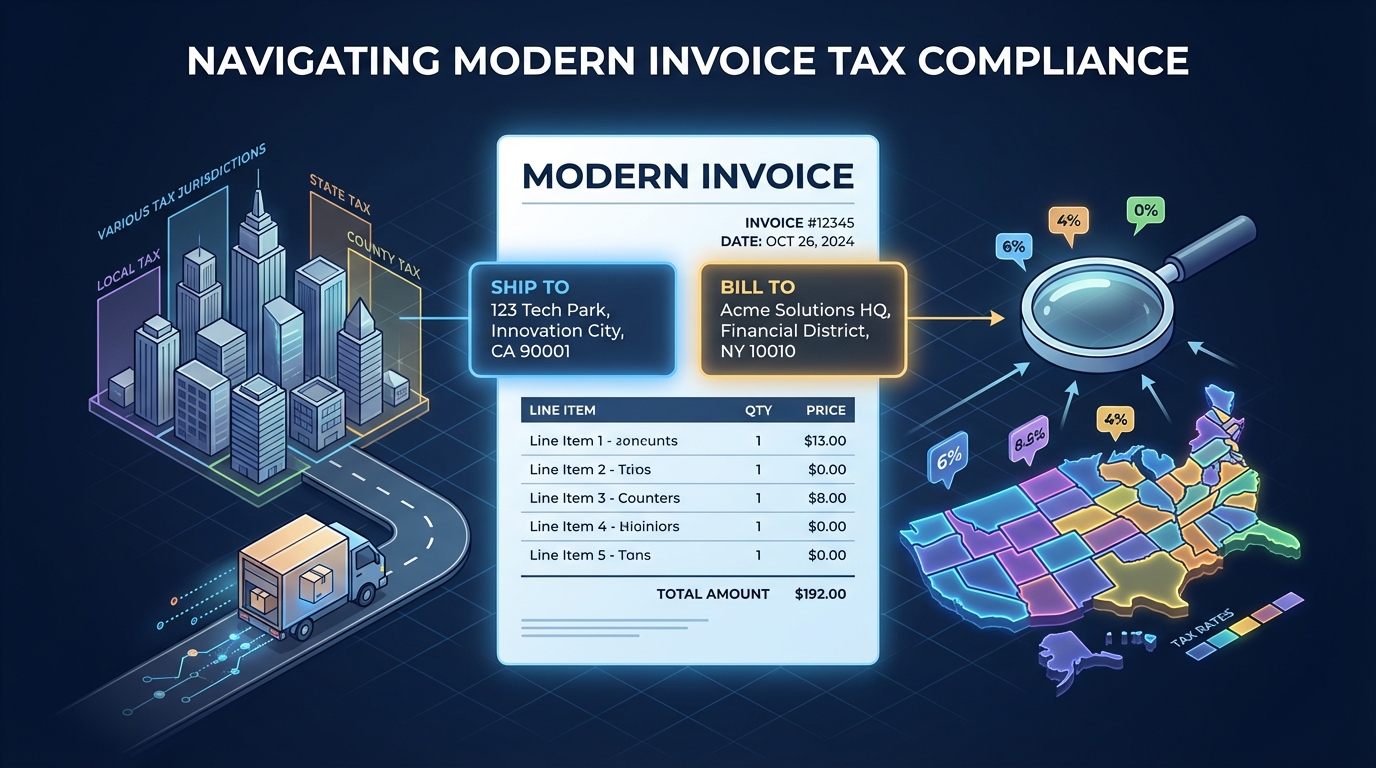
Sales tax isn’t just a yes/no decision. You’ll need to track local tax rates (which vary by city and county), collect the correct amounts, and remit them on time. Each state has different filing frequencies—monthly, quarterly, or annually.
One missed deadline or incorrect rate can lead to penalties, audits, or both. That’s why tracking these obligations is so important—and so overwhelming for many businesses.
The Risk of Doing Nothing
Some businesses take the risk and choose to do nothing—thinking they’ll fly under the radar. But audits are often triggered when employees file their own taxes or when states cross-reference employment data.
Once you’re on a state’s radar, they’ll go back years and assess taxes, penalties, and interest. It’s not just a small bill—it can be a six-figure mistake for unsuspecting companies.
Best Practices to Stay Ahead of Nexus Obligations
Step 1: Know Where Your Employees Live
This might sound obvious, but many companies don’t keep an up-to-date record of employee locations—especially if they allow flexible remote work. You need to formally track and verify where each employee lives and works.
A single misclassified location could mean you’re failing to collect tax in a state where you’re legally obligated to.
Step 2: Understand Each State’s Nexus Laws
Don’t assume all states are the same. They’re not. Each state has its own nexus triggers, registration requirements, and filing timelines. That’s why you need to evaluate each state individually—not based on a blanket policy.
Trying to apply the same rules to all states is a recipe for compliance disaster.
Step 3: Stop Relying on DIY Software
While platforms like Avalara and TaxJar promise to make sales tax easier, they often don’t account for the full picture—especially when it comes to employee-driven nexus. These tools are built around transaction data, not employee risk.
If your compliance strategy is relying entirely on software, you’re leaving dangerous gaps.
Step 4: Get Help from Sales Tax Experts
The best move? Talk to real experts who live and breathe sales tax. At My Sales Tax Firm, we help businesses understand where they have nexus, register where needed, and stay compliant across all 50 states—without relying on incomplete software tools.
We’ll evaluate your employee footprint, analyze your risk exposure, and build a real compliance strategy that works as you grow.
Conclusion: Don’t Let Remote Work Create a Tax Mess
Remote work is here to stay. But with it comes serious sales tax risks that too many business owners overlook—until it’s too late.
If your business has employees in other states, even just one, you may already have nexus obligations you don’t know about. Ignoring this can lead to surprise audits, fines, and years of back taxes.
You don’t have to figure it all out alone. Book a free consultation with My Sales Tax Firm, and let us walk you through where you have nexus, how to get compliant, and how to stay that way. Because growing your team shouldn’t mean growing your tax problems.