Ohio Quietly Expanded Its Sales Tax Base in 2026—Many Businesses Haven’t Noticed
If your company sells across state lines, operates digital infrastructure, runs call centers, distributes marketing materials, or provides technology-driven services, Ohio may have just become a more expensive state to operate in.
Through H.B. 96, Ohio enacted one of the most significant sales and use tax expansions of 2026.
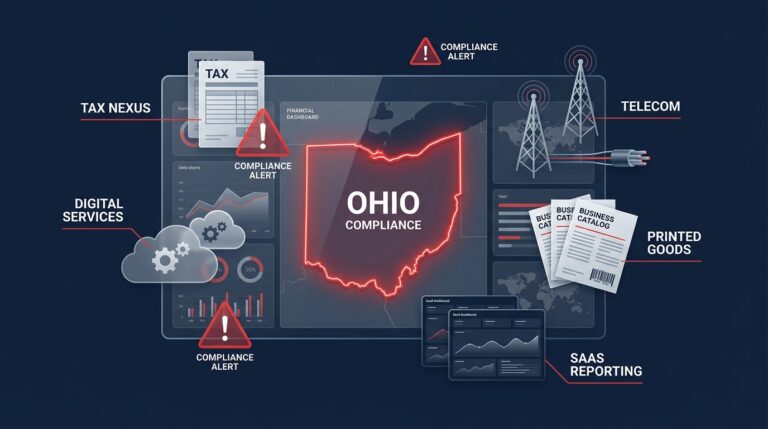
Effective January 1, 2026, the state repealed several longstanding exemptions that had benefited businesses in telecommunications, publishing, digital information services, and direct marketing. These changes were enacted as part of Ohio’s 2026–2027 biennial budget and represent a clear policy shift toward taxing modern business inputs and digital infrastructure.
For multi-state sellers, this is not just another legislative update. It may require immediate changes to procurement reviews, exemption certificate logic, and your taxability matrix.
What Changed Under H.B. 96?
The Ohio legislature removed multiple business sales tax exemptions beginning January 1, 2026.
The repealed exemptions include:
- Qualified call center telecommunications services
- Property used in electronic publishing
- The 25% refund for Electronic Information Services (EIS) providers
- Advertising materials, catalogs, and certain direct marketing inputs
These repeals were signed into law by Governor Mike DeWine as part of the state budget.
1. Qualified Call Center Telecommunications Are Now Taxable
Before 2026, Ohio exempted telecommunications services used directly and primarily by qualified call centers.
That exemption is now gone.
Businesses operating:
- Customer support centers
- Inside sales operations
- Technical support infrastructure
- High-volume outbound communication centers
may now pay Ohio’s 5.75% state sales tax, plus applicable local taxes, on telecom services that were previously exempt.
Who Should Review This Immediately?
- National retailers
- SaaS customer success teams
- Outsourced support operations
- Insurance and financial service call centers
Even a modest telecom budget can create significant annual use tax exposure.
2. Electronic Publishing Inputs Lost Their Exemption
Ohio also repealed the exemption for tangible personal property used in:
- Acquiring data
- Formatting information
- Editing content
- Storing digital content
- Disseminating electronically published information
This change impacts businesses that manage digital publishing workflows, content syndication, subscription-based information delivery, and digital media operations.
Industries Most Affected
- Digital publishers
- Financial data providers
- Research subscription platforms
- Content technology companies
- Information distribution businesses
If your business purchases servers, processing hardware, or workflow systems tied to publishing operations, your tax treatment may now be different.
3. Electronic Information Services (EIS) Refund Was Eliminated
One of the most important changes in H.B. 96 is the repeal of Ohio’s 25% partial refund for providers of Electronic Information Services.
Historically, qualifying EIS providers could recover part of the sales tax paid on eligible technology purchases.
That refund no longer exists beginning January 1, 2026.
Why This Matters for SaaS and Technology Businesses
Ohio often classifies certain:
- Cloud-enabled data services
- Hosted software environments
- Data processing platforms
- Subscription information services
within EIS frameworks.
That means some SaaS-adjacent businesses may experience an immediate increase in effective tax cost.
4. Direct Marketing and Advertising Materials Are Now Taxable
Another major change affects companies that use catalogs, flyers, printed promotions, or direct mail infrastructure.
Ohio repealed the exemption covering:
- Advertising materials that price and describe products
- Catalog production inputs
- Equipment used to accept orders
- Printing-related operational equipment for direct marketers
This includes businesses relying on traditional retail acquisition channels and hybrid eCommerce marketing campaigns.
Industries at Risk
- Retail brands
- eCommerce sellers
- Catalog businesses
- Ad agencies
- Franchise systems
- Consumer goods marketers
If your business mails product catalogs or uses integrated print-to-order systems, your tax profile may have changed overnight.
What Did Not Change?
Not every proposed repeal survived.
Governor Mike DeWine used line-item veto authority to preserve several exemptions, including:
Data Centers
Ohio’s exemption for qualifying data center equipment remains in place.
Newspapers
The newspaper exemption remains intact.
Motion Picture Transfers
The exemption for copyrighted motion picture films also survived.
Knowing what stayed exempt is just as important as knowing what changed. It prevents over-correction during tax reviews.
What Businesses Should Do Right Now
If your company sells or operates across multiple states, Ohio should be on your immediate compliance review list.
1. Re-Audit Your Taxability Matrix
Review:
- Telecom spend
- Software infrastructure purchases
- Publishing equipment
- Marketing procurement
- Promotional materials
Your old exemption assumptions may no longer apply.
2. Review Vendor Coding
Many ERP systems, AP workflows, and tax engines still contain pre-2026 exemption logic.
Update:
- Procurement rules
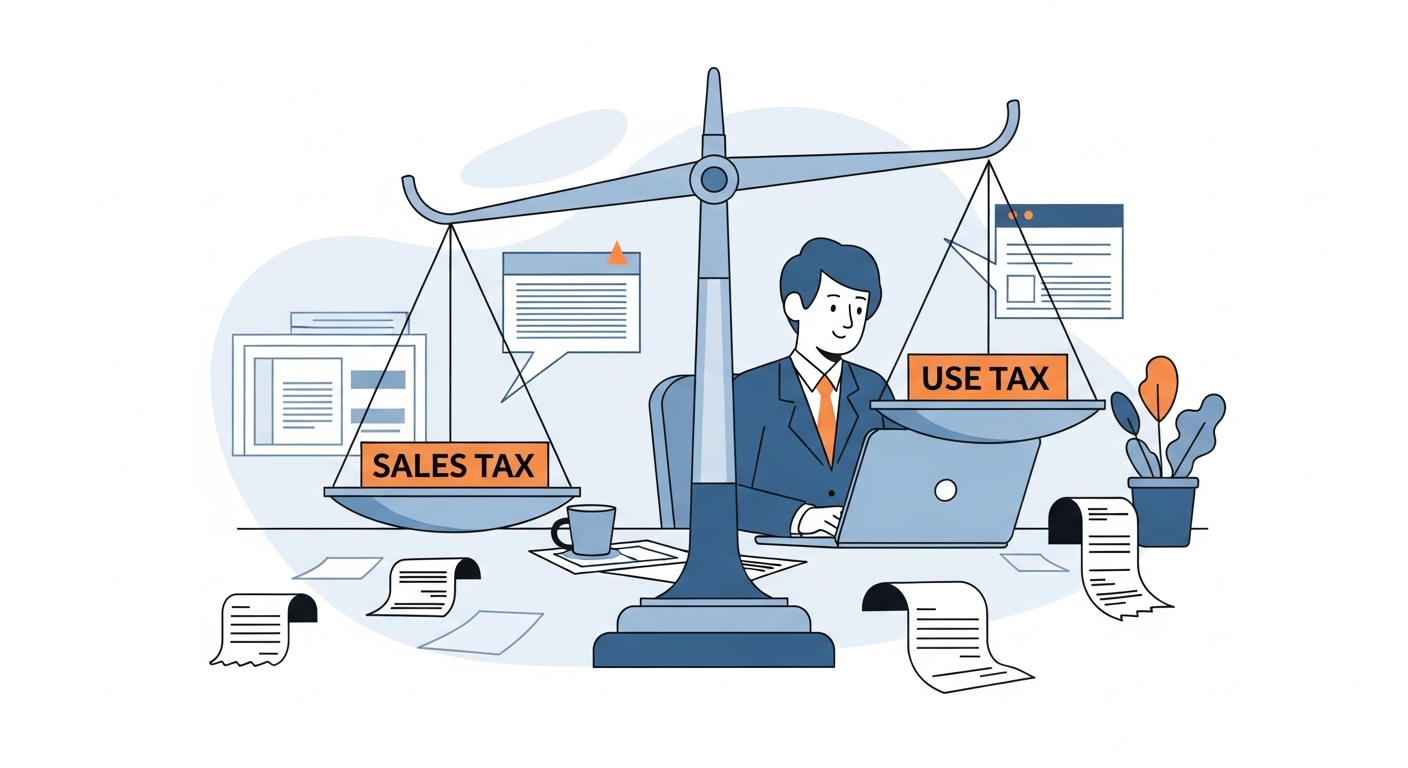
- Use tax accruals
- Exemption mappings
- Tax engine product codes
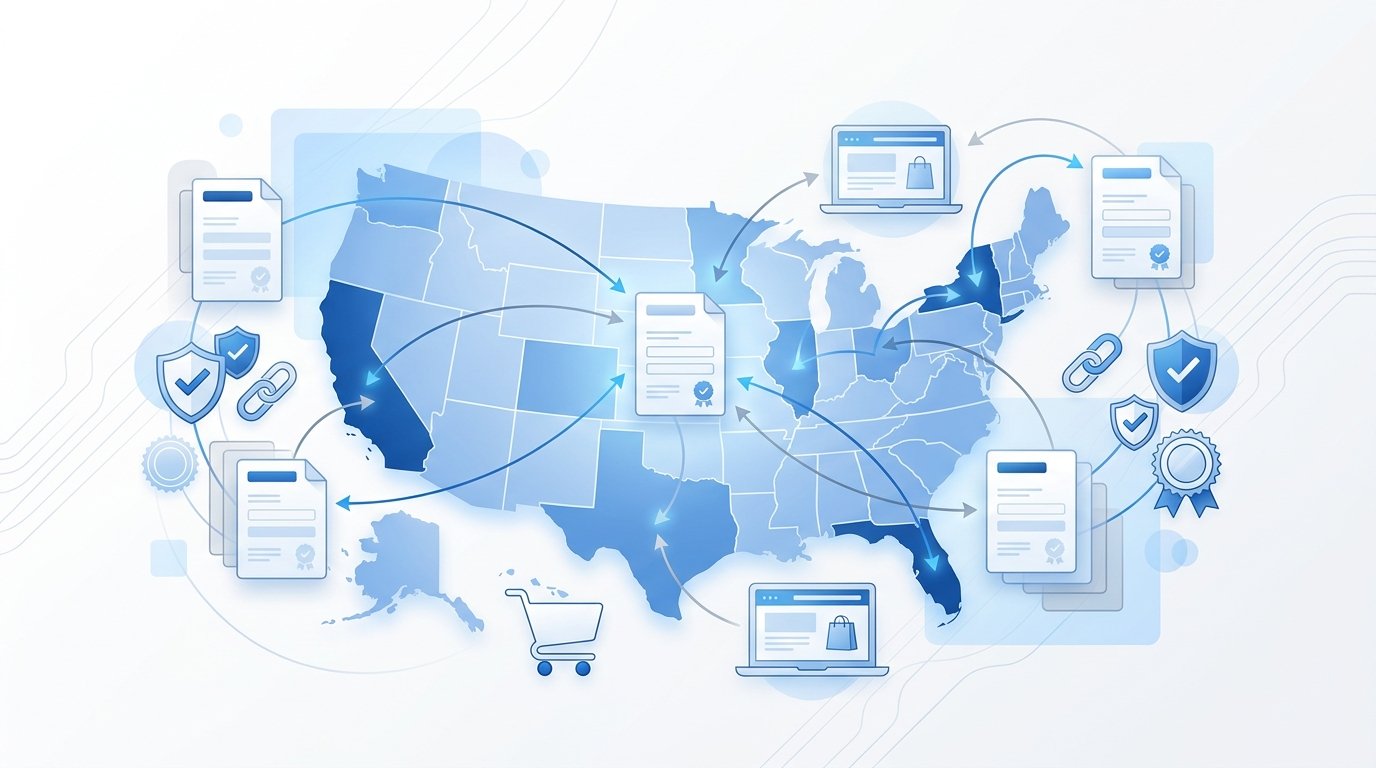
3. Assess Nexus and Exposure
If you already have economic nexus in Ohio, these changes may create new audit exposure—not because your revenue changed, but because your taxable inputs changed.
Final Thoughts
Ohio’s 2026 budget is more than a routine tax update. It is a clear expansion of the state’s sales tax base into digital infrastructure, service operations, and marketing spend.
For SaaS businesses, publishers, telecom-heavy operations, and multi-state sellers, the biggest risk is not the tax itself.
It’s not realizing your exemptions disappeared.
Need help making sense of your obligations? Contact My Sales Tax Firm for a free consultation.