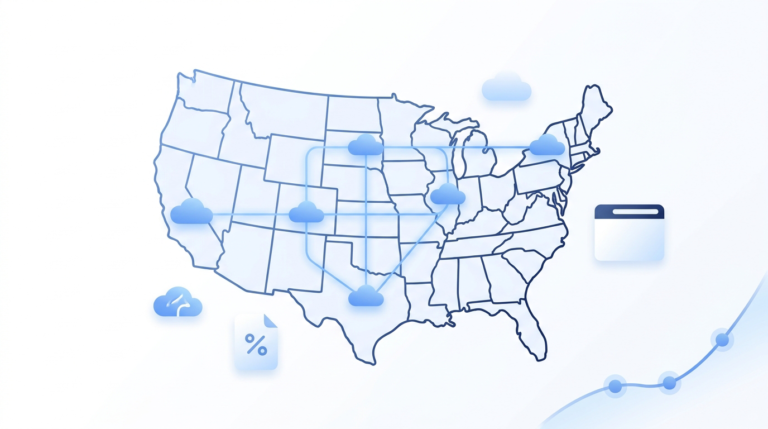
Have you recently uncovered a massive compliance gap in your business? Finding out you never collected sales tax is a terrifying scenario for small business owners. You might feel like a financial storm is brewing on the horizon. Furthermore, state departments of revenue aggressively hunt for missing funds across all 50 states. They employ advanced tracking tools to find unregistered businesses. Consequently, ignoring this issue will rapidly destroy your profit margins. Therefore, we must confront exactly what happens when you never collected sales tax. Delaying action is your biggest enemy.
The True Cost When You Never Collected Sales Tax
State auditors do not care about your honest mistakes or ignorance of the law. When you realize you never collected sales tax, you face immediate and severe financial danger. The state absolutely expects their money.
Think of unpaid taxes like a toxic leak in a factory. Initially, it seems small and contained. Eventually, it poisons the entire operation. State tax agencies calculate the missing tax based entirely on your gross sales.
Unpaid Back Taxes: You owe the base amount of tax you failed to collect from your customers out of your own pocket.
Severe Penalties: States slap on massive fines for non-compliance. These penalties often reach up to thirty percent of the tax owed.
Compounding Interest: Interest accrues daily on your outstanding balance, making the total soar.
As a result, a $20,000 mistake easily becomes a $40,000 disaster. Very few small businesses can survive that sudden hit.
Personal Liability Risks for Business Owners
Most importantly, incorporating your business does not shield you from this specific threat. State laws frequently pierce the corporate veil for unpaid trust fund taxes. This means the state can legally seize your personal assets. If you never collected sales tax, your personal bank accounts are entirely at risk. Your personal real estate is at risk. Therefore, you must act decisively to protect your family’s financial future.
How Did You Fall Behind on Compliance?
How do smart business owners make such a critical mistake? The U.S. sales tax landscape is incredibly complex. Moreover, laws change constantly across fifty different states. You likely crossed a legal threshold without even realizing it. The rules are not built for your convenience.
The Hidden Economic Nexus Trap
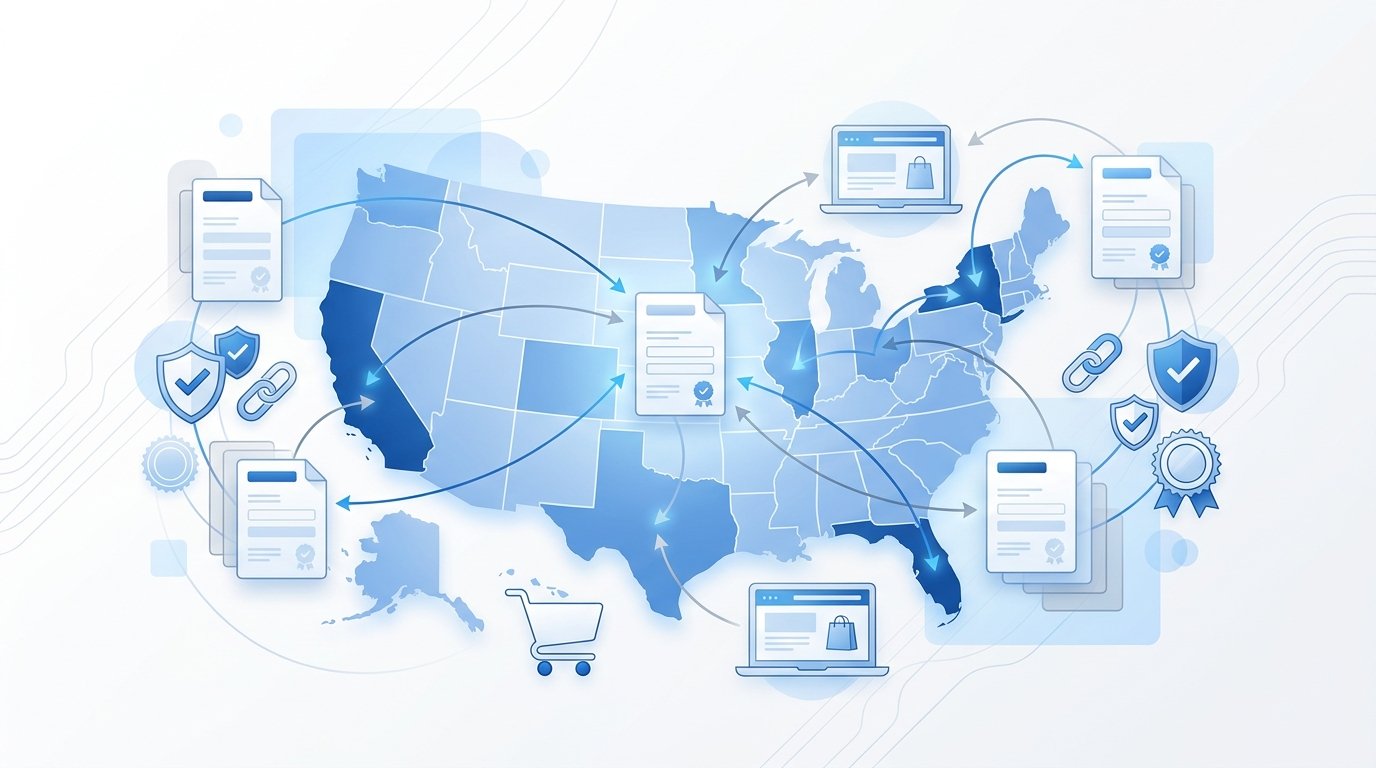
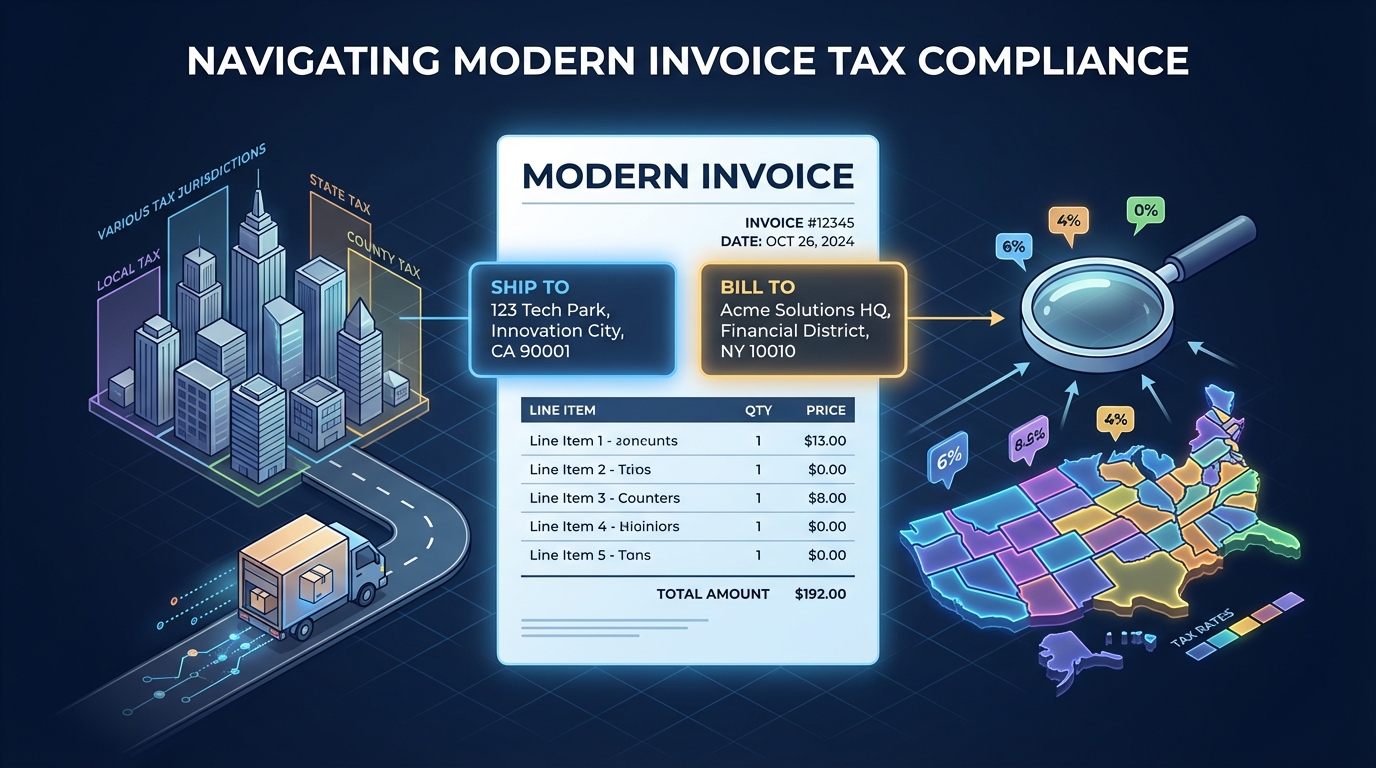
In 2018, the Supreme Court changed everything for remote sellers. Now, you trigger economic nexus just by selling products into a state. You absolutely do not need a physical warehouse or office. For instance, successfully selling 200 items into a specific state legally creates a collection obligation. Consequently, many rapidly growing remote sellers suddenly realize they never collected sales tax in multiple jurisdictions. You can read more about threshold triggers in our Economic Nexus Guide.
SaaS and Digital Goods Confusion
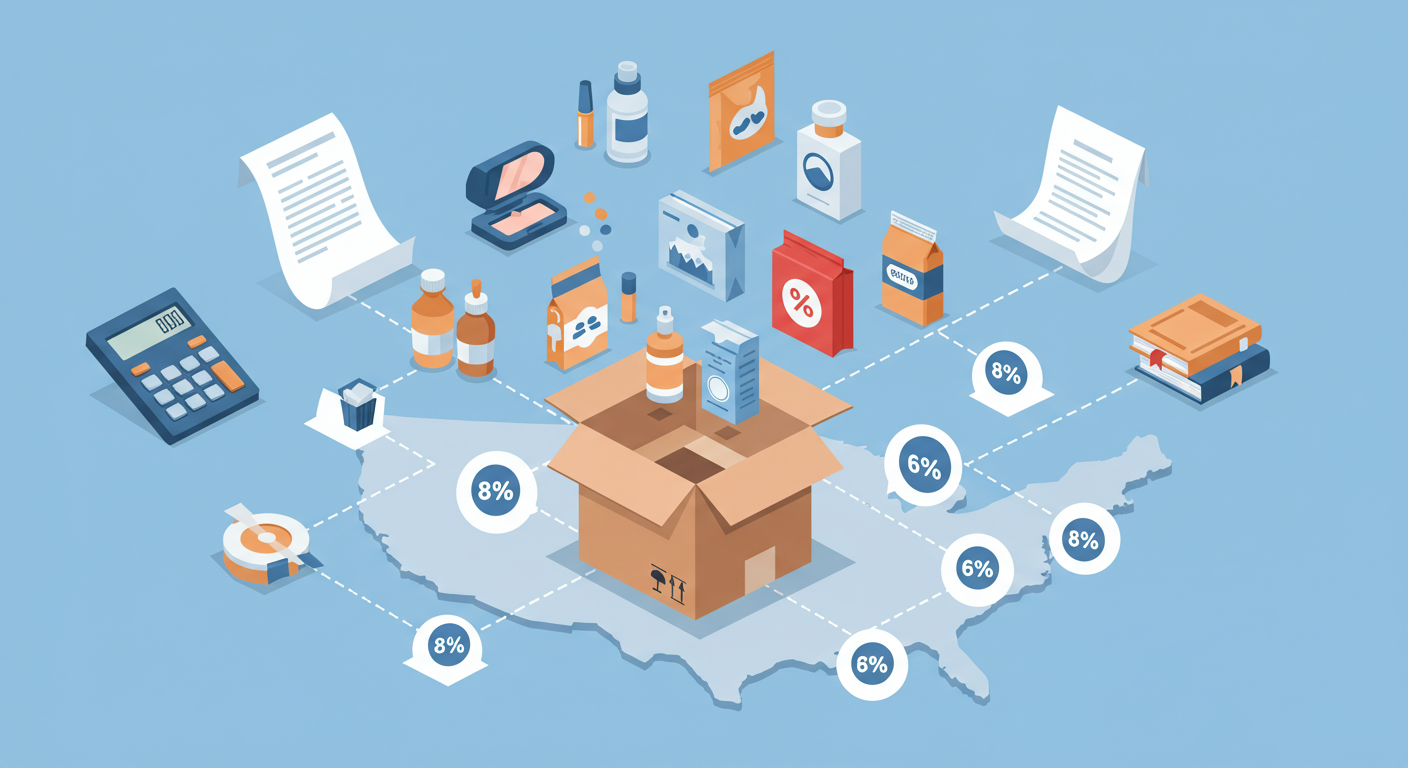
Are you selling software or digital downloads? States constantly update their obscure rules on digital goods. Taxability varies wildly from border to border. For example, Texas taxes Software as a Service at eighty percent. In contrast, California currently does not tax SaaS. Therefore, promising technology companies frequently discover they never collected sales tax on millions of dollars of taxable revenue.
Action Steps If You Never Collected Sales Tax
Blind panic is not a winning strategy. Instead, you need a precise, calculated action plan. What should you actually do when you know you never collected sales tax? You must legally calculate your true exposure and approach the state strategically before they find you.
Quantify Your Historical Tax Exposure
First, gather all your historical sales data. You must determine exactly how much you legally owe.
Map your gross sales by state and year.
Identify the exact dates where you crossed economic nexus thresholds.
Calculate the missing tax for those specific jurisdictions based on local rates.
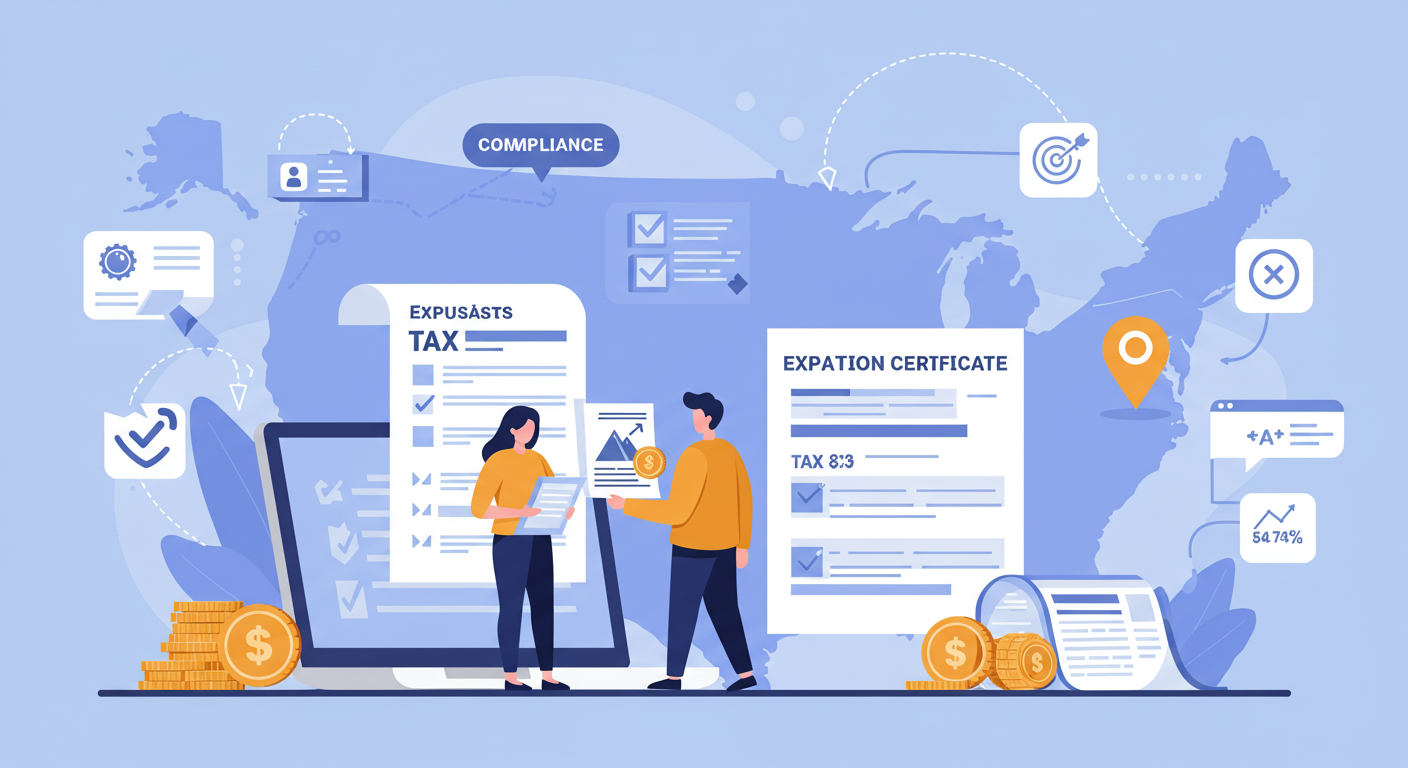
You cannot fix the problem blindly. Furthermore, you must accurately separate taxable items from exempt items. Proper documentation drastically lowers your liability. Learn about correct documentation in our Exemption Certificates Guide.
Execute a Voluntary Disclosure Agreement
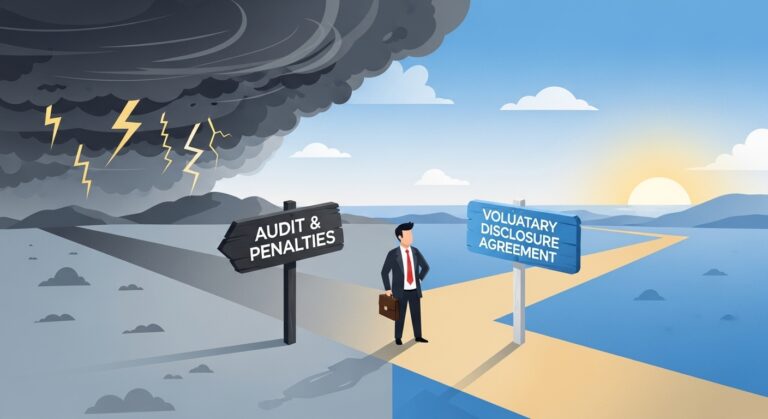
Do not simply register online and start paying back taxes. This is a fatal administrative mistake. Doing so opens you up to unlimited historical audits. Instead, utilize a Voluntary Disclosure Agreement. A VDA is a binding legal contract with the state.
It legally limits your lookback period to three or four years.
It fully waives expensive non-compliance penalties.
It absolutely prevents criminal prosecution for tax evasion.
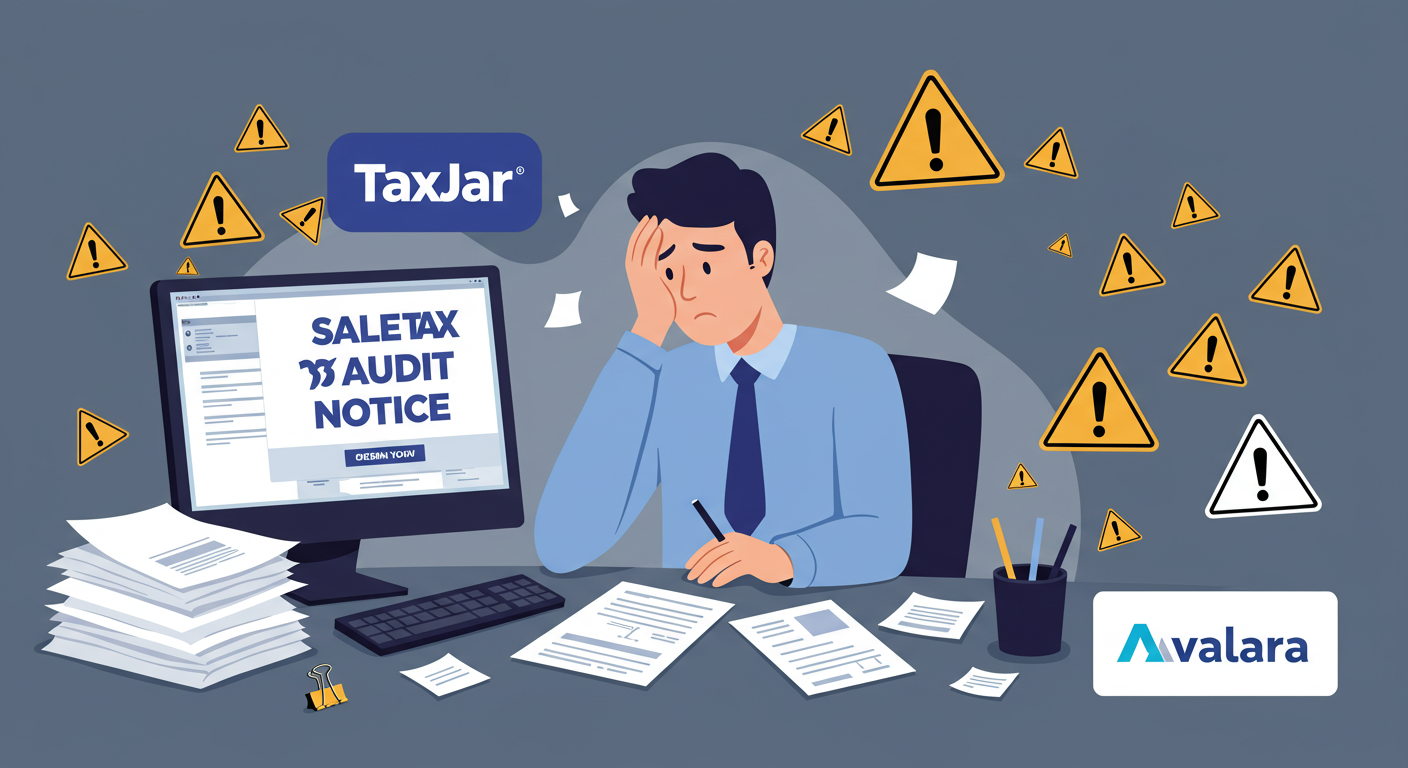
You only get this powerful protection if you step forward before the state contacts you. If you wait until a dreaded audit notice arrives because you never collected sales tax, you permanently lose VDA eligibility.
Conclusion
In summary, discovering you never collected sales tax demands immediate, professional action. You simply cannot hide from aggressive state auditors forever. The compounding interest and severe personal liability risks will only grow worse over time. However, you have powerful legal tools available to fix this compliance gap. A properly structured VDA can save your growing business from absolute financial ruin. Are you ready to solve this massive problem permanently? Do not wait for a devastating audit letter to arrive in the mail. Take absolute control of your compliance today. Contact My Sales Tax Firm for a free consultation.